Style and Status
FashionWatches & JewelryCultureTravel
Style and Status

The definitive guide to contemporary luxury, fashion, and culture.

FashionWatches & JewelryCultureTravelGrooming & WellnessAutomotive
WritersContactPrivacyTerms
Luxury TravelRetail StrategyFashion WeekLuxury Real EstateCelebrity HomesAutomotiveProduct ReviewCar Maintenance

© 2026 Style and Status. All rights reserved.

  1. Home
  2. /Culture
  3. /Why Designers Are Embracing Cultural Heritage
Culture

Why Designers Are Embracing Cultural Heritage

An exhibition showcasing nearly 100 rare silk textiles, archaeological artifacts, and contemporary design works celebrating China's silk-making traditions just opened at the National Museum of Kazakhs

KV
Katerina Volkova

July 21, 2026 · 2 min read

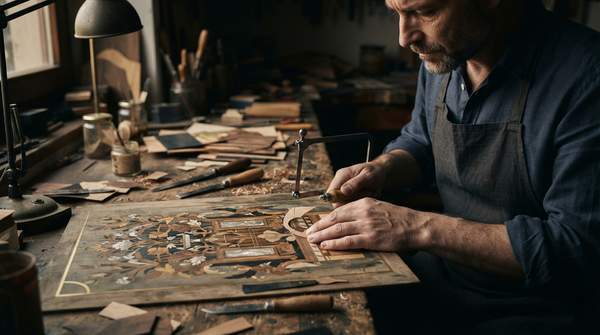
A visually stunning blend of ancient Chinese silk textiles and modern design, showcasing the enduring legacy of craftsmanship in contemporary art and architecture.

An exhibition showcasing nearly 100 rare silk textiles, archaeological artifacts, and contemporary design works celebrating China's silk-making traditions just opened at the National Museum of Kazakhstan. This extensive collection offers a vivid journey through millennia of craftsmanship, from ancient burial finds to modern artistic interpretations. It's a stark reminder: cultural heritage is no static relic, no dusty testament to a bygone era.

Instead, it is actively reinterpreted and revitalized by contemporary artists and designers, often with the aid of modern technology. This dynamic engagement proves its enduring relevance, transforming centuries-old craftsmanship into a vibrant source for contemporary artistic expression and design.

The future of art and design will likely see an accelerated fusion of ancient wisdom and cutting-edge innovation, creating new forms of expression that honor history while pushing boundaries.

Reimagining Ancient Forms for Modern Life

Textile artist Keum Ki-sook crafts monumental installations from cloth and thread, expanding traditional techniques into contemporary fine art, as reported by 뉴스컬처. Likewise, designer Lee Young Hee adapted hanbok for modern lifestyles. These examples don't just show harmony; they confirm that traditional forms are inherently adaptable. Their timeless aesthetic translates effortlessly into modern expressions, making them accessible and commercially viable for new audiences. This suggests that the true value of heritage lies not in its preservation as a museum piece, but in its capacity for reinvention.

The Deep Roots and Digital Catalysts of Revival

Silk fragments and threads excavated at the Qianshanyang archaeological site offer concrete evidence of sericulture, silk reeling, and weaving during the late Neolithic period in the Yangtze River basin, as reported by The Astana Times. This deep historical lineage stands in stark contrast to the exhibition's contemporary works, where designers reinterpret traditional silk motifs using modern fashion, innovative materials, and digital technologies. The juxtaposition reveals a critical insight: ancient craftsmanship isn't just surviving; it's thriving through a deliberate marriage with modern tools. This fusion of profound historical roots and cutting-edge application isn't just about preservation; it's about accelerating creative evolution, redefining what "traditional" even means in the digital age.


AI's Role in Shaping Heritage's Future

The integration of AI's generative capabilities with traditional motifs suggests a future where cultural heritage is not just preserved but algorithmically co-created, blurring lines between human artisan and digital muse.

  • Artificial intelligence (AI), particularly deep learning systems, can identify artistic styles, synthesize new images inspired by historical aesthetics, and assist in preserving deteriorating art pieces, according to Nature.

These emerging AI capabilities don't just promise to accelerate the fusion of historical aesthetics with new creative possibilities; they offer indispensable tools for both artistic generation and critical preservation. Companies and institutions ignoring AI and digital technologies for cultural heritage reinterpretation face obsolescence. The market now demands dynamic, technologically-enhanced engagement, not static preservation.

Cultural heritage, far from being a static artifact, appears poised to become a dynamic, digitally-enhanced catalyst for future artistic and commercial innovation, provided institutions embrace its fluid reinterpretation.

Related Coverage from Culture

  • National museums boost social connections
  • What is Andy Warhol's Campbell's Soup Can legacy's impact on culture?
  • What Is Ancient Civilizations' Influence on Modern Art and Design?

Tags

Cultural HeritageDesignSilkTextilesArtCraftsmanshipKazakhstanChinaExhibition
KV

Katerina Volkova

Staff Writer

As a Staff Writer for Style and Status, Katerina Volkova covers contemporary fashion and cultural movements with a focus on trend analysis and design criticism. Her sharp commentary helps readers understand the artistic forces shaping today's luxury landscape.

More from Culture

A large urban bridge illuminated by a colorful and dynamic video art installation at night, showcasing light art integrated into public space.

Light Art Redefines Modern Art, Moving Beyond Galleries

This September, a new permanent video installation by artist Diana Thater, projected from sundown to sunrise 365 days a year, will debut on the Wilshire Boulevard bridge at LACMA, marking the first pe

Julian Beaumont· Jul 19
A visually striking composition blending abstract modern art elements with contemporary furniture and lighting, representing the influence of art on design.

7 Iconic Modern Art Movements Influencing Design Today

Despite the relentless pursuit of novelty in contemporary design, over 85% of design professionals agree that understanding historical art movements is crucial for innovative work ( AIGA Survey, 2022

Katerina Volkova· Jul 10
Diverse group of people enjoying a museum exhibit together, highlighting social connection and shared cultural experience.

National museums boost social connections

79% of U.S. adults are only casual or sporadic museum-goers, yet a significant 82% perceive their arts engagement to be linked with feelings of social connectedness, according to reports by the Americ

Katerina Volkova· Jul 9
Andy Warhol's iconic Campbell's Soup Can displayed as a piece of fine art in a gallery setting, symbolizing its cultural impact.

What is Andy Warhol's Campbell's Soup Can legacy's impact on culture?

In 1962, Andy Warhol debuted thirty-two canvases of Campbell's Soup Cans, arranged on shelves like products in a grocery store.

Katerina Volkova· Jul 5

Trending Now

1
7 Best Boutique Villa Rentals of 2026 (With Luxury Unique Places Among the Top Picks)

7 Best Boutique Villa Rentals of 2026 (With Luxury Unique Places Among the Top Picks)

Travel· 2 views
2
A sophisticated dining table setting featuring a goat cheese salad and two glasses of white wine, perfect for illustrating wine and food pairing principles.

How to Pair Wine and Food: Mastering Intensity and Acidity

Cuisine And Spirits
3
An exquisitely plated dish in a luxurious, dimly lit private dining room of an exclusive Michelin-starred European restaurant, symbolizing the pinnacle of fine dining.

Most Exclusive Michelin Restaurants in Europe for 2026

Cuisine And Spirits
4
Elegant interior of a Saks Fifth Avenue personal shopping suite, showcasing plush seating, designer fashion, and a sophisticated ambiance for VIP clients.

Saks Fifth Avenue Navigates Bankruptcy Exit with Client Engagement Focus

Automotive
5
Model showcases Taakk's Spring 2027 men's collection featuring floral prints and unique cutouts on a Parisian runway.

Taakk Unveils Artistic Spring 2027 Men's Fashion Collection

Grooming And Wellness
6
Models walk the runway at Paris Fashion Week wearing the new UGG x Willy Chavarria biker boots, showcasing a blend of comfort and high fashion.

Willy Chavarria Unveils Five New UGG Styles on Runway

Automotive