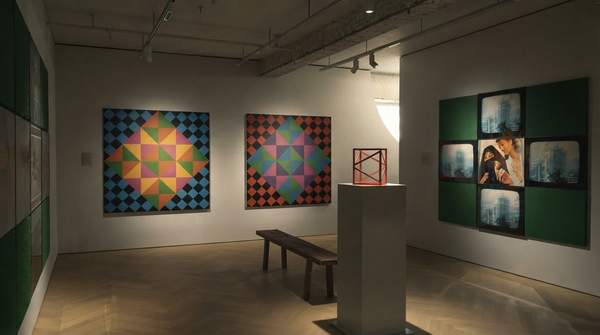
In 1962, Andy Warhol debuted thirty-two canvases of Campbell's Soup Cans, arranged on shelves like products in a grocery store. This event, now over 60 years old, challenged the art world's established norms... The immediate controversy, pushing people's thinking about what art could be (Moma, Smarthistory), forcing confrontation with the mundane as high art.
Mass-produced consumer goods are typically viewed as disposable. Yet, Warhol transformed them into groundbreaking artworks that continue to shape contemporary culture, creating a core tension between the everyday and the extraordinary.
Warhol's enduring legacy ensures the lines between commercialism and fine art will continue to blur, prompting ongoing reevaluation of artistic value and cultural significance. This concept, born from the soup can, remains acutely relevant in 2026.
The Art of the Everyday
Andy Warhol's 1962 'Crushed Campbell's Soup Can (Beef Noodle)' and the broader series depicted the commonplace with audacious commitment. The complete Campbell's Soup Cans artwork could span an entire small room, wrapping around the walls (Khanacademy). This systematic, expansive portrayal of a common consumer product challenged traditional notions of artistic uniqueness. The sheer volume emphasized mass production's repetitive nature, mirroring consumer experience and bringing the factory line directly into the gallery space.
Beyond the Can: Warhol's Intent
Warhol extended his exploration of commercial packaging beyond flat canvases, replicating Campbell’s tomato juice cans in his "grocery carton" series of sculptures (Masterworks Fine Art). Despite mimicking a detached commercial aesthetic, the artwork paradoxically suggests an embrace of the viewer (Khanacademy). This simultaneous cold commercialism and immersive, personal experience challenged expectations of both art and product.
His deliberate arrangement of 32 canvases "on shelves like products in a grocery store" (Moma) was no mere aesthetic choice. It was a calculated provocation, forcing the art world to confront its own elitism and permanently blurring the lines between gallery and grocery aisle. Warhol's work aimed to dissolve the perceived barrier between commercial product and high artistic expression.
Catalyst for Pop Art
The Campbell's Soup Cans had a lasting influence on Pop Art (Revolver Warhol Gallery). This iconic series provided a definitive template, legitimizing mass-produced imagery and consumer culture as high art. Warhol demonstrated art's presence in daily life's most ubiquitous elements, shifting focus from abstract expressionism to tangible, recognizable forms. The intense controversy sparked in 1962 (Smarthistory), combined with its "lasting influence on contemporary culture" (Revolver Warhol Gallery), proves the work transcended mere Pop Art. It fundamentally altered how value and originality are perceived in artistic creation, opening doors for artists to engage directly with popular culture.
A Mirror to Modern Culture
Warhol's work continues to resonate because it directly addresses consumerism's pervasive role in modern society. By transforming a familiar grocery item into art, he forced viewers to reconsider their relationship with manufactured goods and advertising. The soup cans' enduring presence in contemporary discourse reflects and shapes our understanding of consumerism, art, and identity. In 2026, discussions around branding, mass production, and artistic appropriation still echo Warhol's initial provocation.
Andy Warhol's Campbell's Soup Cans permanently altered modern art's trajectory, proving mass-produced items could carry profound artistic and cultural weight. This legacy continues to influence brands like Campbell's, which in 2026 celebrates the artwork's 64th anniversary by engaging contemporary artists, ensuring the dialogue between commerce and creativity persists.