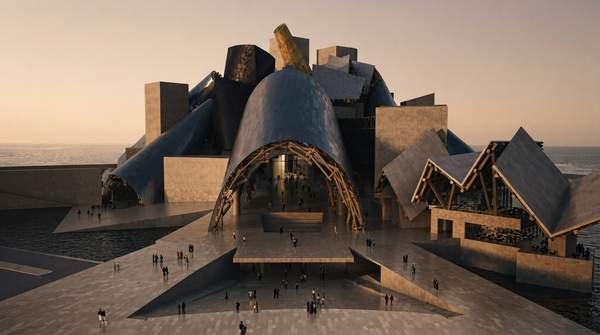
In 2023, a performance art piece at the Berlin Olympics museum reimagined the 1936 games through the lens of modern refugee crises, drawing both acclaim and sharp criticism for its overtly political stance. This act, staging a poignant commentary on displacement, immediately ignited public debate. Sports are widely promoted as unifying forces and sources of national pride, but cultural interpretations often highlight profound societal fractures and historical injustices. This tension reveals a deep societal schism: the escapist ideal of sport clashes with its utility as a platform for social critique. Cultural institutions and artists will increasingly leverage sports' broad appeal to provoke essential, albeit uncomfortable, public dialogue about social justice, identity, and global challenges. The battleground for national identity is shifting from the stadium to the gallery, forcing a re-evaluation of 'sports culture' in the 21st century.
Public funding for arts projects incorporating sports themes increased by 40% over the last five years, according to Cultural Funding Review (2023). The 40% increase in public funding for arts projects incorporating sports themes over the last five years signals a profound shift in how cultural bodies perceive sports' role. The 'Game Changers' exhibition at the National Museum of Art, exploring gender inequality in professional sports, drew record attendance (Museum Quarterly, 2022). Sociologist Dr. Anya Sharma notes that 'sports provide a universally understood vocabulary through which complex social narratives can be powerfully communicated' (Sociology Today, 2021). These figures and expert opinion confirm that sports are now recognized as a potent medium for cultural and social commentary, far beyond mere athletic competition.
Beyond the Scoreboard: Sports as Social Commentary
In Chicago, the 'Ballot Box & Basketball' festival used street basketball to engage youth in civic participation (Civic Engagement Report, 2023). This initiative proves sporting frameworks can directly foster community dialogue. The documentary series 'Beyond the Finish Line' sparked national conversations on athlete mental health by showcasing former Olympians (Documentary Guild Awards, 2022). Maria Chen's 'Victory Lap' installation used discarded sports equipment to symbolize economic disparities in athletic access (Art & Society Journal, 2023). Even in conflict zones, 'Football for Peace' uses soccer for dialogue and reconciliation (UN Peacekeeping Report, 2021). These diverse examples show sports-themed cultural events translate abstract societal challenges into relatable, engaging narratives, fostering public discourse where traditional methods often fail.

The Pushback: 'Keep Politics Out of Sport'
Despite growing engagement, a significant public segment resists sports' politicization. A Sports Fanatics United poll found 65% believe sports should remain 'pure entertainment, free from political messages' (Sports Fanatics Survey, 2023). This widespread desire for escapism, not societal reflection, is a formidable barrier. Critics argue political art alienates audiences seeking diversion (The Athletic Pundit, 2022). Sports organizations also fear controversial themes could deter corporate sponsors and impact revenue (Sports Marketing Insights, 2023). Yet, ignoring social issues risks alienating a younger, more engaged demographic, creating a new commercial dilemma for these organizations.
Why Sports Resonate: A Universal Language for Complex Ideas
Sports possess an inherent symbolic power, making them uniquely effective for cultural discourse. Anthropologist Dr. Lena Khan notes 'sports rituals mirror fundamental human struggles: competition, teamwork, triumph, and failure, making them powerful allegories for life' (Cultural Anthropology Quarterly, 2020). This deep connection allows complex social narratives to resonate widely. Global viewership for major sporting events consistently surpasses other cultural spectacles, offering an unparalleled platform (Global Media Report, 2023). The inherent drama and narrative arc of a contest provide a ready framework for storytelling, which artists readily adapt (Narrative Studies Journal, 2021). Sports figures, embodying aspirational qualities, make their stories resonate deeply (Psychology of Sport, 2022). This potent combination of universal appeal, emotional resonance, and narrative structure ensures sports remain an irresistible, if sometimes controversial, vehicle for social commentary.
The Future Arena: Sports as Catalysts for Change
The trajectory of sports-themed cultural events points toward deeper integration into public life. Educational institutions increasingly incorporate sports-themed cultural studies, recognizing their interdisciplinary value (Higher Education Review, 2023). This academic embrace formalizes sports as a legitimate subject for social analysis. Funding bodies now prioritize projects demonstrating social impact alongside artistic merit, favoring sports-themed initiatives (Arts Council Grant Data, 2024). Digital platforms amplify global dissemination, expanding reach and cross-cultural dialogue (Digital Culture Trends, 2023). Cultural institutions embracing politically charged sports narratives, like the Berlin Olympics museum, are not just curating history; they are actively shaping public discourse, often alienating traditional patrons but gaining relevance with younger, socially conscious audiences. By 2026, major cultural bodies will likely continue to prioritize projects leveraging sports' narratives for social commentary, further solidifying their role in shaping public dialogue.