If you are diversifying beyond canvases, two emerging categories deserve your attention: collectible design—limited-edition or unique functional objects made with fine-art intentionality—and regional contemporary art from markets outside the traditional Western canon. Both can diversify a portfolio, but both share the defining risks of tangible alternative assets: high illiquidity and subjective valuation. Neither belongs in a position you might need to liquidate quickly, and neither should be bought without expert verification of authenticity and provenance.
Introduction to Non-Traditional Art Investments
Collectibles can offer diversification benefits and an inflation hedge, but as the Family Wealth Report cautions, the market presents a complex landscape "from illiquidity and valuation challenges to high transaction costs." These are assets for long-term horizons, not short-term cash needs. Scotia Wealth Management makes the same point: such assets are typically incorporated into portfolios with longer investment horizons, and lenders approach art-backed loans conservatively, often restraining loan-to-value ratios around 50% to buffer against market shifts and the time required to realize value.
The appeal is real. WealthGen Advisors, in a guide by certified financial planner Ken Hargreaves, lists portfolio diversification, an inflation hedge, tangible ownership, and low correlation with stocks and bonds among the pros of collectibles—alongside cons including high illiquidity risk, subjective valuation, no income generation, and high carrying and transaction costs. Against that backdrop, collectible design and regional contemporary art represent two distinct routes into the same asset class, each with its own market structure.
Collectible Design: Market Dynamics and Investment Profile
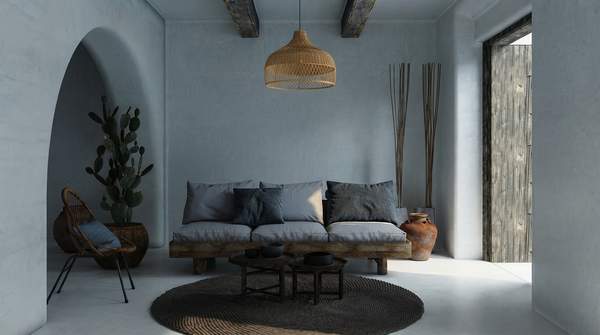
Collectible design is defined by Monde Singulier, a specialist gallery journal, as a category of limited-edition or unique functional objects—furniture, lighting, sculptural pieces—conceived by named designers with the intentionality of fine art. Specialized galleries such as Carpenters Workshop Gallery and Friedman Benda represent these makers, and Christie's, Sotheby's, and Phillips trade their work. That institutional infrastructure is part of the category's investment case.
The market data reported by Designer Daily's Peter Makeshoff points to genuine momentum. A one-of-a-kind François-Xavier Lalanne Hippopotame Bar sold for $31.4 million at Sotheby's in December 2025 after competitive bidding—a result the author notes would have been unthinkable for a functional object a decade earlier. According to ArtTactic, the design and decorative arts category grew by 20.4% year-over-year in the first half of 2025, outpacing several traditional fine art segments, and Sotheby's reported that 20th-century design sales surpassed $75 million in a single season. Monde Singulier, citing a 2026 alternative assets report by Vinovest, says global auction sales in the category are projected to reach $65–70 billion by 2030.
Yet the category remains illiquid by nature. Monde Singulier notes that significant pieces "are placed through gallery networks long before a paddle is raised," and that financial advisors recommend allocating only 5–10% of a portfolio to collectibles, precisely because of that inherent illiquidity. Every acquisition should be accompanied by condition reports, certificates of authenticity, and edition documentation.