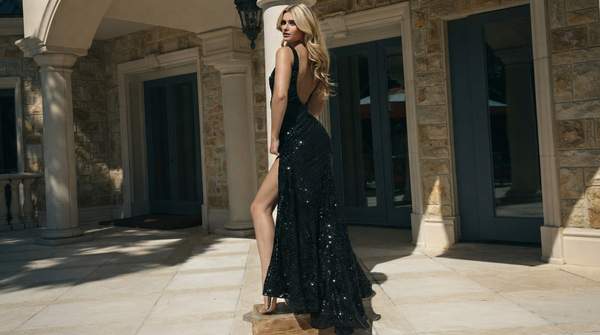
Commissioning a bespoke haute couture gown is a structured, multi-stage collaboration that typically unfolds over one to three months of production and requires two or three live fittings. Maison Julien Fournié, a Paris haute couture house, describes the creation of a gown in seven steps: the sketch, the choice of fabrics, the toile, hand cutting and assembly, embroidery, made-to-measure fittings, and the final reveal. Understanding this sequence — and your specific role within it — is the key to engaging a designer with confidence.
The Bespoke Haute Couture Journey: An Overview
Haute couture refers to unique pieces, handmade to a client's exact measurements, in contrast to ready-to-wear garments produced in standardized sizes. A single gown can demand from 100 to several thousand hours of work in the atelier, depending on the complexity of the embroidery, according to Maison Julien Fournié. The house emphasizes that couture cultivates a different relationship with time: nothing is mass-produced, and nothing is decided in a rush.
Crucially, the client is not a passive recipient. As Maison Julien Fournié puts it, clients "are no longer mere spectators of the creative process — they have become active participants." Bespoke gowns are developed through collaboration rather than adapted from a rack, a principle echoed by Priscilla Couture, whose bespoke wedding service is built around a defined multi-step journey from inspiration to delivery.
Your Haute Couture Journey: A 7-Stage Timeline
The chronology below sequences the stages described by the ateliers, aligning each with the artisan's tasks and the client's collaborative role. Use it as a roadmap: it shows what happens, roughly when, and what will be asked of you at each point, from initial idea to final fitting.
| Stage | Artisan's Tasks | Client's Collaborative Role |
|---|---|---|
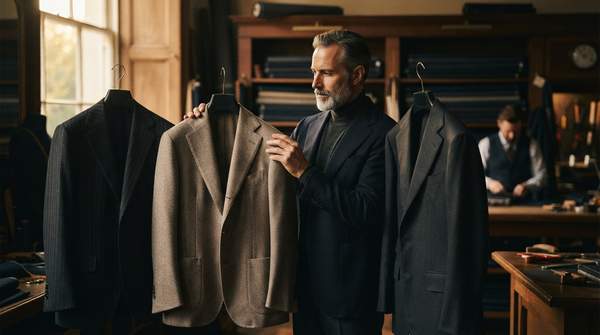
| 1. Initial consultation | Discuss the client's vision, event, and timeline; provide professional guidance on the gown's direction. | Share your aesthetic, personality, celebration details, inspiration, and priorities; confirm the event date, location, venue, and climate. |
| 2. Design and sketch | Translate the consultation direction into a first detailed sketch; refine silhouettes; take custom measurements. | Review the sketch and give feedback; consider decisions together, since a neckline affects support and a sleeve affects movement. |
| 3. Fabric and embellishment selection | Present fabric swatches and embellishment options matched to the design. | Weigh material choices against practical effects — dense embellishment changes weight; a dramatic train changes the back's visual proportion. |
| 4. The toile fitting | Create a cotton prototype (toile) and conduct the first fitting on it — a founding stage of any bespoke creation. | Provide critical feedback on shape and proportions before any precious fabric is cut. |
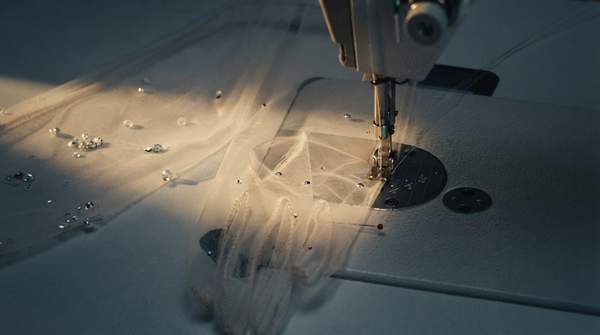
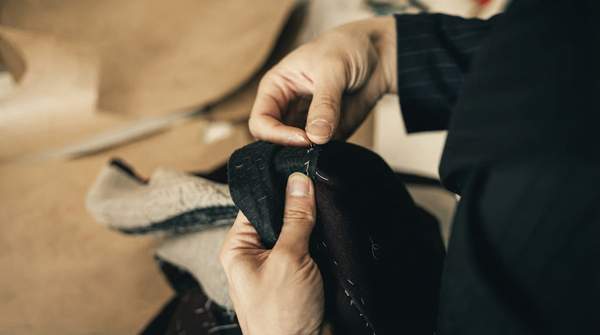
| 5. Hand cutting, assembly, and embroidery | Hand-cut the actual fabrics, assemble the gown, and execute embroidery in the atelier. | Remain available for questions while production proceeds. |
| 6. Made-to-measure fittings | Conduct two or three fittings to perfect the fit, refining after each session. | Attend each fitting, confirm refinements, and communicate adjustments clearly. |
| 7. Final reveal and delivery | Present the completed gown; steam, press, and package it for transport. | Inspect the final fit and details; receive care and transport guidance. |
On duration: Maison Julien Fournié frames the overall process as spanning one to three months, with production time varying significantly based on the design's complexity and the atelier's schedule. The hours of labor — from 100 to several thousand — depend chiefly on the embroidery.
Stage 1: Initial Consultation and Vision Alignment
The commission begins before fabric is cut or measurements become a pattern. Priscilla Couture describes this as a moment of understanding: the woman, the celebration, the way she wants to move, and the feeling she wants the garment to carry. Your preparation here shapes everything that follows.
Before the consultation, Priscilla Couture's bespoke checklist advises confirming your celebration date, location, venue, and climate, then editing your inspiration to identify both priorities and boundaries. Come ready to share your aesthetic and personality as well as practical constraints. At Maison Julien Fournié, the entry point is a private appointment booked through the Paris atelier, and the house notes that any client can order this way, wherever they live — the dialogue with the couturier is direct.
Stage 2: Design, Sketch, and Fabric Selection
The design meeting turns consultation direction into a specific gown concept. According to Priscilla Couture's process, this is when the first detailed sketch emerges, fabric swatches and embellishment options are explored, silhouettes are refined, and custom measurements are taken. Your role is to review and respond — but with an eye for interdependence.
These decisions should be considered together, the atelier cautions: a neckline affects support, a sleeve affects movement and balance, dense embellishment changes weight, and a dramatic train changes the visual proportion of the back while requiring a plan for moving later in the celebration. Feedback at this stage is inexpensive; the same feedback after cutting is not.
Stage 3: The Toile Fitting – Crafting the Prototype
Before the actual fabric is touched, the atelier creates a toile — a cotton prototype of the gown. Maison Julien Fournié calls the first fitting on the toile "a founding stage of any bespoke creation," because it is where fit and silhouette are perfected in a medium where mistakes cost little. This is your first time seeing the design on your body, and your feedback carries the most weight it will ever carry in the process.
Treat the toile fitting as a working session rather than a preview. The proportions you confirm here — the line of the neckline, the placement of the waist, the sweep of the skirt — become the template for cutting irreplaceable fabric. Specific, constructive observations are more useful than general approval; the atelier can only refine what you articulate.
Stage 4: Atelier Craftsmanship – From Cut to Embellishment
Once the toile is approved, the atelier hand-cuts the chosen fabrics and assembles the gown, executing the embroidery that can stretch the labor from 100 hours into the thousands. This is the least visible stage for the client but the most labor-intensive for the artisan, and it explains why the overall timeline flexes with the design's complexity.
Your role here is patience and availability. The house's framing of couture's "different relationship with time" applies most directly to these weeks of handwork, when the gown exists only in the atelier and cannot be rushed without compromising the craft.
Stage 5: Made-to-Measure Fittings and Refinements
With the real gown assembled, the atelier conducts the made-to-measure fittings. Maison Julien Fournié states that two or three fittings are needed for a gown to fit the client perfectly, with refinements confirmed after each session. Each fitting is iterative: the atelier adjusts, you assess, and the garment converges on your body.
Priscilla Couture notes that its process keeps the client connected to the garment "as it becomes real," using digital review to strengthen collaboration before production. Whatever tools an atelier uses, the human purpose is the same: you should understand the design and remain engaged as it materializes, rather than discovering it only at delivery.
Stage 6: The Final Reveal and Delivery
The commission culminates in the final reveal, when the completed gown is presented for your inspection. This is the moment to examine fit and details closely and to raise any last refinements while the atelier can still act on them. Delivery follows: the London alterations atelier Oui Madam, describing its own bespoke handover, notes that a finished gown is steamed, pressed, and packaged into a bridal bag ready for transport by car, with accessories such as the veil, lingerie, and jewelry packed alongside it.
Practical logistics matter at this stage. If you are travelling abroad, Oui Madam asks clients to say so in advance so items can be specifically packed for the chosen airline. Ask your atelier equivalent questions about transport, storage before the event, and who will handle lacing, buttoning, or bustling the gown on the day — Oui Madam advises designating someone detail-focused for those duties.
Engaging with Confidence: Your Next Steps
To commission a haute couture gown successfully, prepare proactively for each stage: confirm your event details and edited inspiration before the consultation, give interdependent feedback on sketch and fabrics, take the toile fitting seriously as your highest-leverage moment, and attend the two or three live fittings ready to articulate refinements. The process is iterative by design, and its one-to-three-month production window varies with embroidery complexity and the atelier's schedule — so begin well before your event date.
The measurable indicator of a successful collaboration is your ability to articulate your vision, provide constructive feedback during fittings, and manage expectations regarding timelines and artistic development. A client who can do those three things will find the seven-stage journey not a mystery to be endured, but a process to be directed — one that ends with a gown made to no measurements but your own.
Sources
- How a Haute Couture Dress Is Made — Julien Fournié Haute Couture, Luxury Bags and Luxury Accessories
- Priscilla Couture
- A guide to the bespoke wedding dress process at Oui Madam Bridal Atelier — Homepage | Wedding Dress Alterations London | Experrt Bridal Alterations by a leading Specialist Atelier