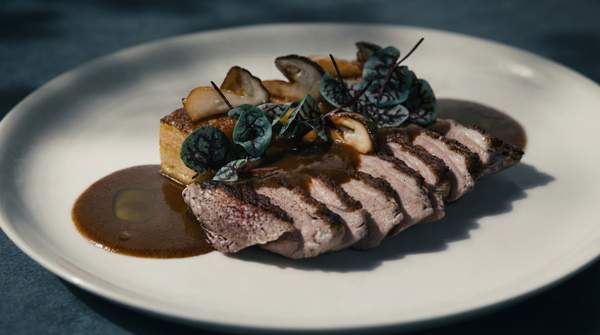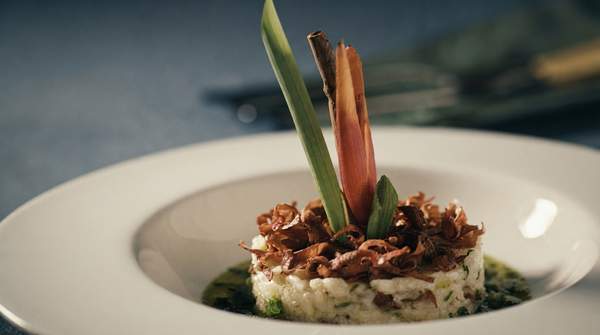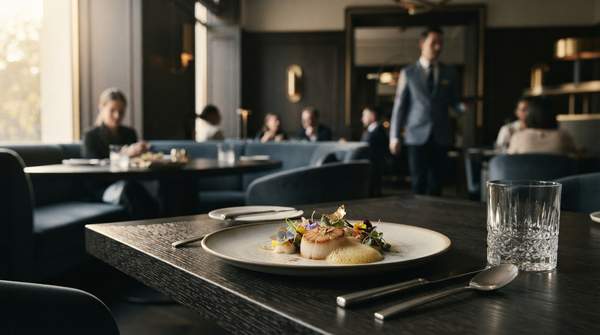
Luxury fashion houses are increasingly extending their brand narratives beyond apparel and accessories, venturing into the realm of fine dining and café experiences. This strategic expansion allows these brands to forge deeper, more immersive connections with consumers, transforming retail spaces into comprehensive lifestyle destinations. By integrating culinary arts with their distinctive design aesthetics, fashion brands create environments where patrons can engage with their ethos through taste, sight, and atmosphere.
This trend represents a sophisticated evolution in brand engagement, moving beyond traditional retail to offer an all-encompassing luxury experience. The fusion of haute couture and epicurean delights provides a universally appealing language through which brands can communicate their identity, as noted by Outlook Luxe in October 2026. These establishments often feature monogrammed coffees and dishes curated by acclaimed chefs, ensuring that every detail reflects the brand's commitment to excellence.
The Strategic Imperative: Beyond Retail
The expansion of luxury fashion brands into hospitality concepts serves as a crucial strategic pillar for brand experience and customer engagement. These ventures offer brands opportunities to connect with consumers beyond traditional retail interactions and product sales, according to CR Fashion Book in April 2025. What began as decorative or marketing-driven pop-ups has evolved into a significant aspect of brand strategy, reflecting a broader shift in how affluence is expressed.
Today, status symbols extend beyond mere objects to include experiences such as dining, travel, and wellness. A November 2025 report by Bon Appétit highlights that a growing number of the world's top 50 luxury brands now operate at least one branded or co-developed food and beverage concept, a sharp increase from just a few years prior. These offerings, which range from casual cafés to fine dining restaurants and chef collaborations, are a reflection of a brand's ethos, aesthetics, and conceptual storytelling, brought to life through culinary arts.
Moreover, these immersive environments are designed to be shared, particularly online. Establishments like Ralph Lauren’s The Polo Bar and Le Café by Louis Vuitton blend high-end design with gourmet cuisine, creating spaces that patrons are eager to document and share on social media, as observed by Social F+B in November 2025. This generates significant organic publicity, catering to loyal luxury customers, aspirational diners, and social media-savvy guests alike. Research from Montclair University also indicates that brand equity drivers significantly influence an individual's intention to visit and purchase associated products from luxury fashion-brand restaurants, with female customers often showing loyalty to both the brand's products and its dining establishments.