Terroir is the working answer to a deceptively simple question: why do wines made from the same grape taste different depending on where the vines grow? The core components are the vineyard's soil and its climate, and their influence is physical rather than mystical. Limestone-rich soils tend to yield wines with minerality and crispness, while clay-heavy soils tend to produce wines with a richer, fuller body, according to wine merchants and producers who explain the concept for consumers. Climate works alongside soil: cooler regions generally produce higher-acidity, more delicate wines, while warmer regions produce fuller-bodied, fruit-forward ones. What follows is the mechanism behind those associations, and why the interaction between the two factors—not either one alone—defines a region.
Soil's Silent Influence: How Earth Shapes the Grape
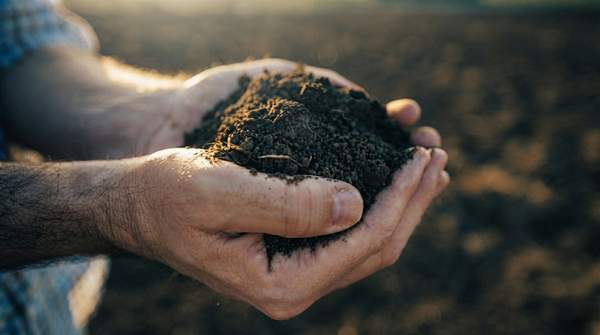
Soil shapes wine primarily through water and drainage. Limestone soils drain well and, by limiting easy access to water, force vines to develop deep root systems; that struggle for water concentrates flavor in the grapes. Clay behaves in the opposite way: it retains water effectively, supplying vines with consistent moisture. That steady supply supports vigorous vine growth and larger grapes, and the resulting wines typically show a fuller body, softer tannins, and a richer mouthfeel.
Granite occupies a third position. Writing for the UK retailer Gnarly Vines, Tom McKim explains that granite soils are prized for draining quickly and preventing excess water retention, which controls vine vigor and leads the vine to produce fewer, smaller, more concentrated grapes with layered, intense flavors. Fast drainage also encourages deep roots that access mineral layers, and minerals such as potassium, magnesium, and iron absorbed by the vine can lend wines a heightened sense of minerality, salinity, and acidity. The causal chain, then, runs from a physical property—how the soil handles water—to vine physiology, and finally to what lands in the glass.
The Climate Connection: Temperature, Rainfall, and Ripening
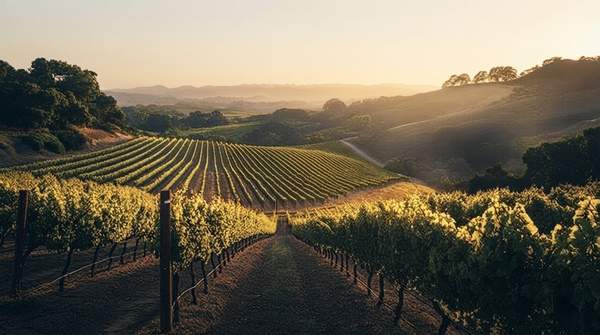
Climate governs the ripening process itself. Temperature, rainfall, and sunlight all affect grape growth and development: cooler climates tend to yield wines higher in acidity and more delicate in flavor, while warmer climates tend to yield fuller-bodied, fruit-forward wines. Rainfall matters because it determines how much water the vine takes up, and sunlight and warmth determine how quickly sugars develop relative to the acids that decline as grapes ripen.
This is why climate cannot be evaluated in the abstract. A warm, sunny season in one region and a cool, damp one in another will push the same grape variety toward entirely different profiles—one ripe and generous, the other lean and fresh. Topography and altitude add further variation, moderating temperature and reshaping sun exposure within even a single vineyard. Climate sets the ripening conditions; soil determines how the vine experiences the water and heat that climate delivers.