Terroir
4 articles
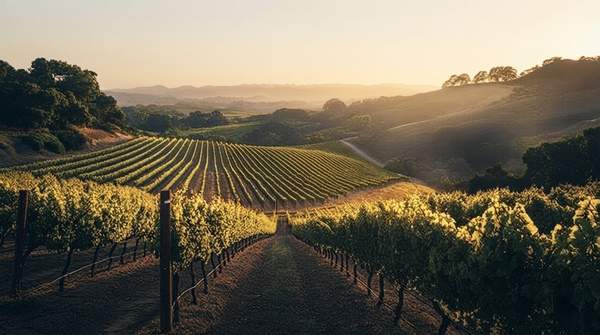
How Soil and Climate Write a Wine's Flavor: The Mechanics of Terroir
Terroir, the combination of soil and climate, physically dictates a wine's flavor profile. This article explores the mechanics of how soil drainage, water retention, and climate conditions like temperature and rainfall influence grape physiology and ultimately shape the sensory characteristics of wine.
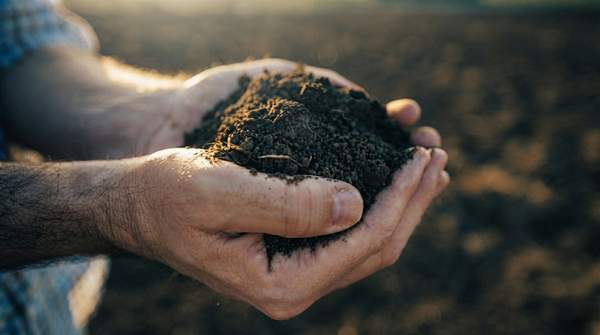
Why a Few Meters of Limestone or Gravel Decide a Grand Cru's Character and Value
Grand Cru wines derive their exceptional character and value primarily from specific terroir elements like soil composition, climate, and topography. From Burgundy's limestone slopes to Bordeaux's gravel plains, these factors precisely shape grape ripeness, wine structure, and long-term aging potential.
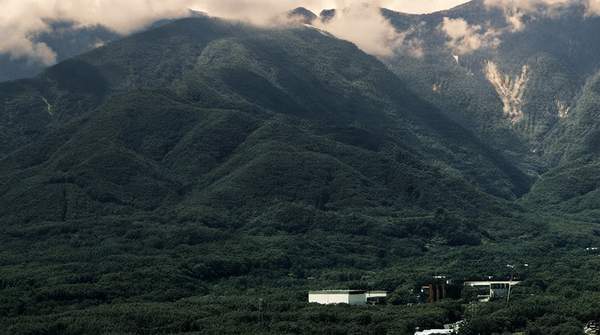
The Elements of Place: Deconstructing Terroir in Japanese Whisky
The distinct character of Japanese whisky is shaped by terroir, influenced by water purity, climate, and cask wood like Mizunara oak. An emerging debate now explores the significant role of locally grown barley in defining its sense of place.

What is Terroir and How Does it Shape Wine Quality?
Beyond the sun, soil, and slope, recent research reveals that invisible microbial communities living on grapevines are quietly shaping the distinct flavors of your favorite wines.