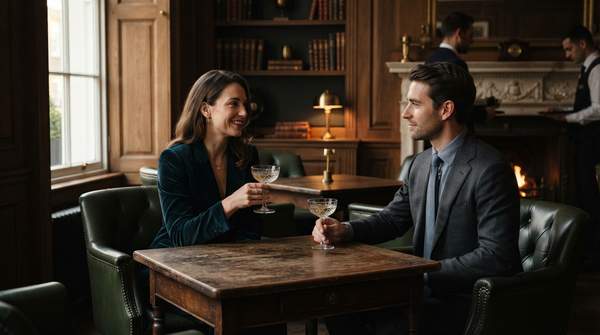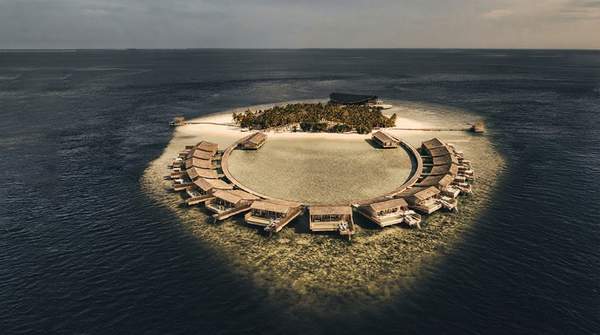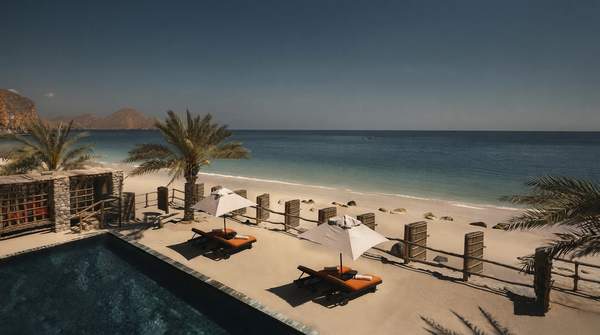
If your idea of luxury has quietly shifted from marble lobbies to meaning, you are not alone: market researchers and industry commentators alike report that affluent travelers increasingly favor customized, private, experience-driven journeys over generic opulence. The practical question is no longer whether to book something exclusive, but which kind of exclusivity you actually want. Three distinct models now dominate the emerging landscape—deep cultural immersion, remote private expeditions, and hyper-personalized wellness retreats—and each rewards a different set of priorities.
The Evolution of Luxury Travel: Beyond Opulence
The shift is well documented. Grand View Research's market analysis of the luxury travel sector observes that luxury travelers often prefer customized and private tours to general packages, seeking "unique and highly personal experiences," with post-pandemic health and safety concerns reinforcing the pull toward private arrangements. A parallel trend the firm identifies is social connectivity: the desire to connect with and experience different societies and cultures.
Industry commentary points the same direction. An analysis of emerging luxury tourism trends argues that the sector's future "will be defined by its ability to provide exceptional, personalized, and sustainable travel experiences," as informed, socially aware travelers seek journeys that are ethical and environmentally responsible rather than merely indulgent. Marriott, cited in a market overview by AltexSoft, reports that 93 percent of elite travelers expect personalized experiences—hyperpersonalization has moved from differentiator to baseline expectation.
Deep Cultural Immersion: Connecting with Authenticity
The first model trades isolation for intimacy. Rather than ticking off monuments, the culturally immersive journey is built around direct engagement with a place's makers, traditions, and communities. AltexSoft's overview notes that the tours-and-attractions segment has evolved beyond traditional sightseeing to include deep cultural immersion and conservation-focused activities, with cultural and historical explorations offering VIP access curated by operators such as Abercrombie & Kent and Black Tomato.
The Globe and Mail's travel coverage offers a concrete illustration: Capella's Kyoto property, infused with the work of local ateliers—bamboo baskets from a workshop founded in 1877, textiles from a weaving house dating to 1688—where guests can spend a day with a master lacquer maker and craft their own bowl or chopsticks. Grand View Research highlights the same appetite through companies like G Adventures, which connects travelers with local communities for cultural exploration. Exclusivity here is achieved through access and curation, not seclusion: the ideal traveler prioritizes learning, connection, and understanding over conventional luxury accommodation.