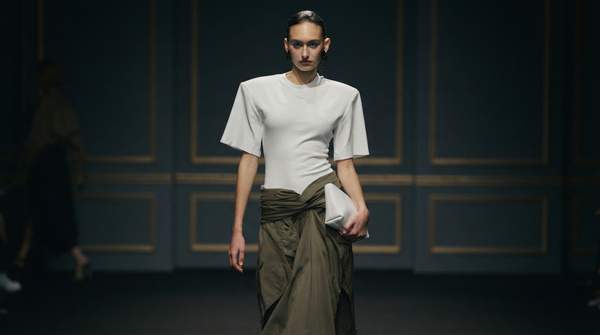
Dubai Fashion Week's Spring/Summer 2027 edition concluded on October 26, 2026, at Dubai Design District, and its defining story was as much commercial as creative: regional and international designers used the platform to court new buyers and retail relationships in a Middle East luxury market that Mordor Intelligence, as reported by Forbes Middle East, projects will grow from $16.5 billion in 2026 to $26.7 billion by 2031.
Dubai Fashion Week SS27 Concludes, Highlighting Craftsmanship and Market Growth
The SS27 edition brought together designers from across the international fashion landscape at Dubai Design District (d3), part of TECOM Group, with participating brands pursuing new buyers, stronger retail relationships, and regional expansion despite broader business uncertainty in the region. Forbes Middle East reported that the ambitions unfolded against a shifting regional backdrop: Riyadh Fashion Week was postponed until 2027, leaving Dubai's platform to carry the Gulf's fashion-commerce agenda this season. The closing day alone featured three designers, each presenting distinct creative perspectives and design signatures, according to the event's official recap.
Craftsmanship and Global Influences Define SS27 Collections
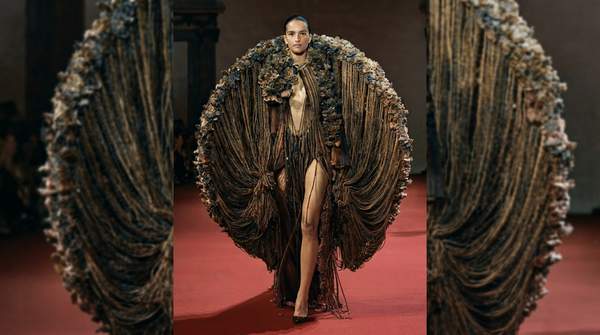
Craftsmanship was the season's connective thread, expressed through markedly different cultural vocabularies. Kuwaiti designer Yousef Aljasmi opened the week with his debut show, anchoring his work in "the craftsmanship and signature style that define the brand," as he told Forbes Middle East. Indian couturier Tarun Tahiliani closed the edition with "The Many Moods of TT," which he described as "an homage to the Middle Eastern woman," with Lebanese singer and actress Maya Diab as the showstopper. The official closing-day recap also recorded Christopher Italy's collection drawing on Italian gardens in a celebration of craftsmanship and contemporary elegance, with Miss Universe 2015 Pia Wurtzbach Jauncey walking the runway, while Vietnamese fashion house Joséphine presented "Le Jardin de Joséphine," a ready-to-wear line of feminine silhouettes and contemporary garden-inspired design.
Designer Strategies for the Middle East Luxury Market
Read together, the collections reveal distinct commercial pathways rather than a single regional formula. Some designers used Dubai as a launchpad for global expansion; others arrived as international names adapting their couture for a Middle Eastern audience; and still others treated the week as a way to deepen an existing regional business. The table below categorizes the stated objectives and creative approaches of the designers named in the coverage.
| Designer | Stated Goal / Strategy | Collection Theme / Approach |
|---|---|---|
| Yousef Aljasmi | Global expansion from a regional base, positioning his debut show around international reach | Craftsmanship and signature style, connecting the brand's identity to a wider international audience |
| Tarun Tahiliani | Connecting Indian couture with the Middle Eastern market | "The Many Moods of TT," described as an homage to the Middle Eastern woman |
| Christopher Italy | Not stated in the coverage | Italian-garden inspiration, celebrating craftsmanship and contemporary elegance |
| Joséphine | DFW debut supporting an existing regional business rather than an initial market entry | "Le Jardin de Joséphine," ready-to-wear feminine silhouettes with garden-inspired contemporary design |
The comparison shows the week functioning as a two-way gateway: Aljasmi traveled outward from the region toward a global audience, Tahiliani traveled inward, bringing Indian couture to Middle Eastern clients, and Joséphine used the debut to consolidate a business already anchored in the region. Where a designer's commercial objective was not stated in the coverage, the table records that gap rather than inferring one.
GCC Luxury Market: A $26.7 Billion Opportunity by 2031
The commercial urgency behind these strategies is quantified by a projection Forbes Middle East attributes to Mordor Intelligence: the GCC luxury goods market is expected to grow from $16.5 billion in 2026 to $26.7 billion by 2031. That figure, reported secondhand rather than independently analyzed, frames why designers treated the week as a retail opportunity rather than a purely promotional showcase. The same reporting noted that brands sought closer engagement with buyers and industry partners to build commercial relationships, with one figure quoted describing SS27 as creating opportunities for international participation and declaring: "Our ambition is clear: to make Dubai a place where the industry discovers talent, invests in creativity and builds lasting brands."
Dubai Fashion Week: A Strategic Hub for Global Fashion Commerce
The event's institutional design supports those ambitions. Dubai Fashion Week, co-founded by Dubai Design District and the Arab Fashion Council, describes itself as the only official fashion platform in Dubai, with a stated mission of projecting the city's creativity and fashion business worldwide while advancing the Arab fashion industry through advocacy, showcases in Dubai and key export markets, and shared industry knowledge. Ahead of the season, organizers emphasized a dedicated and constantly evolving buyers' programme alongside international collaborations, with one organizer quoted saying the SS27 edition "underscores Dubai's position as a global creative hub and international fashion capital" and offers designers from around the world opportunities to thrive.
SS27 Reinforces Dubai's Position in the Global Luxury Landscape
The evidence supporting Dubai's gateway role rests on stated goals and market projections rather than independently verified sales figures from the event, and the designer strategies above reflect reported statements and collection descriptions, not audited business plans. Even so, the season's pattern is coherent: a postponed Riyadh Fashion Week, a growing GCC luxury market, and an international lineup converging on a single Dubai platform. Designer applications for the March 2027 edition, showcasing Autumn/Winter 2027-28, are already open, with dates to be announced.
Dubai's Enduring Role in Global Fashion Commerce
Dubai Fashion Week SS27 reinforces Dubai's strategic position as a vital platform for luxury brands aiming to penetrate or expand within the rapidly growing Middle East market. The test of that positioning is observable: monitor announcements for the next edition of Dubai Fashion Week (March 2027) for continued international designer participation and explicit commercial partnerships.
Sources
- Dubai Fashion Week SS27: From Runway To Retail — Forbes ME
- HIGHLIGHTS FROM THE CLOSING DAY OF DUBAI FASHION WEEK SPRING/SUMMER 2027 - Dubai Fashion Week — Dubai Fashion Week - The only official fashion week in Dubai
- US
- Home Page - Dubai Fashion Week — Dubai Fashion Week - The only official fashion week in Dubai