Modernist furniture design, which flourished in the 20th century, represents more than a mere aesthetic; it is a philosophy rooted in a set of guiding principles that prioritize function, simplicity, and an authentic use of materials. Emerging from influential movements like the Bauhaus and Scandinavian design, this approach stripped away ornamentation to focus on clean lines and purposeful forms. The legacy of this revolution continues to define contemporary luxury interiors, where iconic mid-century pieces and new creations alike demonstrate the timeless relevance of a design ethos built on clarity and utility.
The movement’s core tenets—functionalism, minimalism, and an honest use of materials—were a deliberate departure from the decorative excess of previous eras. Designers sought to create furniture that was not only visually appealing but also served its purpose effectively, often with an eye toward efficient production. This fusion of art and industry, form and utility, created a new visual language that has proven remarkably enduring, continuing to inspire designers and shape sophisticated living environments across the globe.
Modernist Design Principles: From Mid-Century Icons to Contemporary Interiors
The enduring appeal of Modernist furniture stems from a coherent set of principles that can be identified in both historical and contemporary pieces. These core tenets provide a framework for understanding the movement's lasting influence on how we design and inhabit our spaces. By breaking down these ideas, one can see a clear line from the revolutionary concepts of the mid-20th century to the values that guide high-end interior design today.
| Principle | Definition | Iconic Mid-Century Example | Contemporary Influence |
|---|---|---|---|
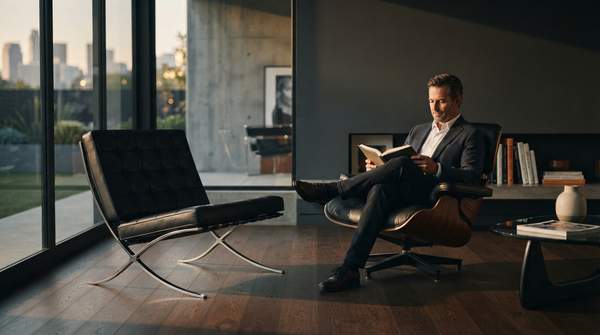
| Form Follows Function | Every piece of furniture must serve a purpose, with its design dictated by its intended use. This principle emphasizes utility as the primary driver of aesthetic form. | The Eames Lounge Chair (1956), with its molded plywood and leather construction, was designed for comfort and practicality, becoming a cultural icon that invites users to rest for hours. | Contemporary design continues to prioritize ergonomics and multi-functional solutions, where the practicality of a piece is integral to its visual appeal. |
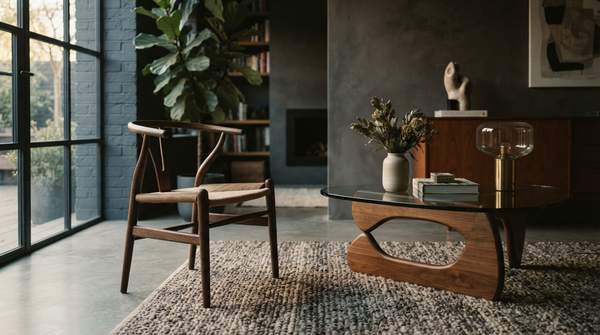
| Material Honesty | The inherent beauty and characteristics of materials should be celebrated and openly displayed. This involves using materials authentically without disguise or unnecessary embellishment. | Mid-century modern designs frequently used natural materials like wood, showcasing their texture and grain. This approach highlights the intrinsic qualities of the chosen materials rather than concealing them. | The use of exposed wood, metal, and stone with natural finishes remains a hallmark of luxury interiors, reflecting a desire for authenticity and a connection to natural elements. |
| Simplicity and Minimalism | Designs feature clean lines, uncluttered forms, and a reduction of elements to their essential components. This approach, which aims for clarity and elegance through restraint, is famously captured in the mantra "less is more." | Ludwig Mies van der Rohe’s Barcelona Chair is a timeless symbol of modernist elegance. Its stark, geometric form and absence of ornamentation perfectly embody minimalist principles. | Minimalist and uncluttered aesthetics dominate modern interiors, where the focus is on spaciousness, light, and a few carefully selected, high-quality pieces. |
| Democratic Design | This principle champions the creation of well-designed, functional objects accessible to a wider audience through efficient production processes. | Bauhaus and Scandinavian designers, in particular, sought to integrate art with mass production to improve everyday living environments through accessible, well-made objects. | This idea has profoundly influenced contemporary furniture manufacturing, where designers strive to balance aesthetic quality with scalable production. |