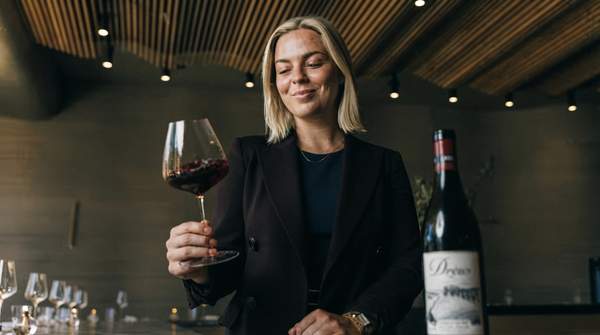
A high-end sommelier is far more than a wine waiter: they are a strategist who curates the wine list, manages the cellar as a business asset, trains the service team, and translates each guest's stated and unstated preferences into a recommendation that complements the kitchen's cuisine. The Court of Master Sommeliers Americas defines the restaurant sommelier's core responsibilities as pairing wines with dishes, managing wine inventories, training staff, and staying current on industry trends. What distinguishes the top tier is not the list of duties but the reasoning behind them.
The Evolving Role of a High-End Sommelier
The traditional role, as the Court of Master Sommeliers Americas describes it, involves curating wine lists, assisting diners with selections, and ensuring impeccable service. In a fine-dining context, that definition expands considerably. Industry commentary on Michelin three-star restaurants frames the sommelier's task as finding "the intersection between what the kitchen is expressing, what the cellar holds, and what you genuinely enjoy" — a formulation that captures the profession's essential triangulation rather than any single skill.
Many industry bodies now consider the sommelier's role strategically on par with that of the head chef, according to the Coravin Guide's overview of the profession. That comparison is not rhetorical flourish. Just as the chef shapes the food narrative of a restaurant, the sommelier shapes its beverage identity, and the two must work in concert for either to succeed. The credentialing landscape reflects this breadth: certification bodies such as the Court of Master Sommeliers, the Wine & Spirit Education Trust, and the Society of Wine Educators test theory, blind tasting, and service, and fewer than 300 people have earned the Master Sommelier Diploma since the exam was introduced in 1969, with a pass rate on the final theory section of roughly 10 percent.
Curating the Cellar: A Strategic Business Asset
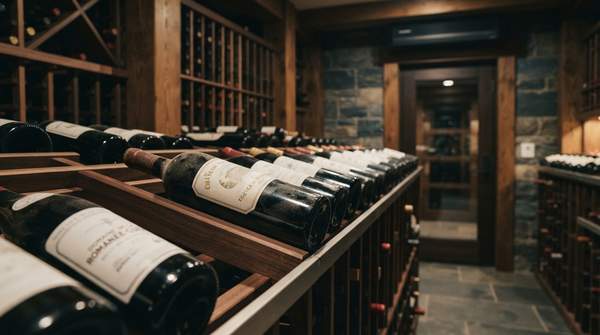
A great wine list, as the Coravin Guide puts it, doesn't happen by accident. Behind the scenes, the sommelier builds a list that complements the restaurant's cuisine and appeals to its clientele — a curatorial act that is simultaneously an editorial and a financial one. Every bottle purchased represents capital sitting in a cellar, and inventory management means balancing what will sell tonight against what will reward a decade of patience.
The strategic weight of this work is visible in the restaurant-side trade-offs that industry commentary identifies: a dedicated sommelier can drive higher average wine sales and margins, strengthen brand identity and awards, and raise service standards across the team — but the restaurant bears a significant investment in salary and training, relies on a few highly skilled individuals, and must manage upselling so it never undermines guest trust. The cellar, in other words, is managed as both an experiential and a business asset, and the sommelier is accountable for both ledgers.
The Sommelier's Decision Framework for Personalized Wine Pairing
The most visible expression of the sommelier's expertise is the tableside recommendation, and it is best understood not as a pairing rule but as a synthesis of four inputs. The framework below models how a sommelier moves from a guest's opening request to a specific bottle on the table.
| Input | What the sommelier assesses | How it shapes the recommendation |
|---|---|---|
| Guest preferences | Stated tastes, budget, and occasion; unstated comfort level | Sets the boundaries of the search; an unspoken budget risks intimidation or misdirection |
| The chef's menu | Dish components, flavors, and what the kitchen is expressing | Filters candidates to wines that complement the cuisine's character |
| Cellar inventory | What the cellar actually holds, at what price points | Constrains the final choice to available bottles and viable margins |
| Desired experience | Whether the guest wants education, celebration, or simple pleasure | Determines the style of service: storytelling, ceremony, or quiet efficiency |
The reasoning path runs from conversation to constraint to selection. A guest who says only "something red" gives the sommelier little to work with; a guest who mentions enjoying Spanish wines, a budget ceiling, and a desire to learn gives the sommelier a search space. The sommelier then intersects that space with the evening's dishes and the cellar's actual contents — which is why the same table, on different nights, can yield entirely different bottles. The framework's essential insight is that no single input decides the outcome: a recommendation that honors the kitchen but ignores the guest's palate fails just as surely as one that flatters the palate while clashing with the food.
Beyond the Bottle: Staff Training and Guest Education
The sommelier's influence extends well past their own tables. Staff training is an explicit responsibility in the Court of Master Sommeliers Americas' definition of the role, and it is what makes a beverage program consistent across an entire dining room rather than excellent only when the sommelier happens to be standing nearby. A well-trained server can carry the sommelier's standards through every course of a long tasting menu.
Guest education, meanwhile, is where knowledge meets personality. Master Sommelier Yuki Hirose, speaking in the Coravin Guide, argues that "without humanity wine knowledge is boring," and advises keeping the conversation open so a guest feels free to say, "actually, can I try Spanish wine?" That openness is not merely courtesy — it is the mechanism that surfaces the preferences the decision framework depends on. For the guest, the same dynamic cuts both ways: industry commentary notes that diners who stay silent risk being steered toward fashionable styles they do not actually enjoy, while those who discuss expectations openly receive pairings that respect both palate and budget.
Elevating Your Dining Experience: Engaging with Your Sommelier
To maximize your dining experience, actively engage with the sommelier by openly communicating your preferences, budget, and desired experience. The framework above shows why this works: every detail you volunteer narrows the sommelier's search across the menu and the cellar, and every silence leaves a gap they must guess at. The measurable indicator of success is a personalized wine recommendation that genuinely enhances your meal and aligns with your expectations — indicated by the sommelier's questions and the final selection. If the conversation covered what you enjoy, what you are eating, and what the evening means to you, and the bottle that arrives fits all three, the framework has done its work.
Sources
- Sommelier Careers & Job Opportunities — The Court of Master Sommeliers Americas
- The Role of Sommeliers in Michelin Three-Star Restaurants — VIOMI
- What Is a Sommelier? — By The Glass