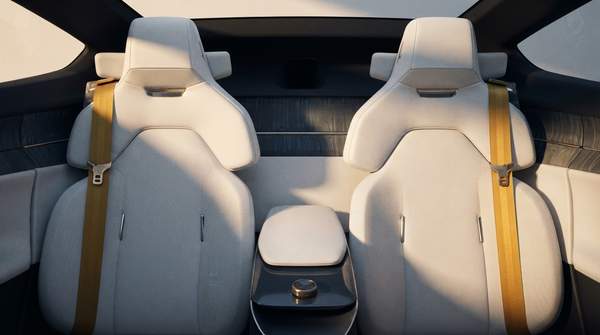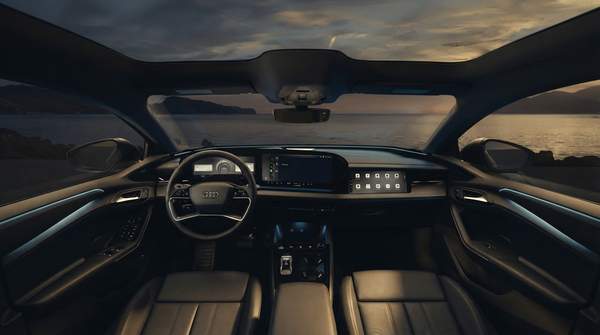
Luxury electric vehicles have quietly rewritten the rules of premium cabin design. Where leather, wood, and chrome once defined opulence, today's flagship EVs build their appeal on three pillars: sustainable and unconventional materials, deeply integrated digital technology, and deliberately restrained aesthetics. The Polestar 5 lines its cabin with flax-based composites and carpets woven from reclaimed fishing nets; the Mercedes-Benz EQS wraps a sweeping "Hyperscreen" in FSC-certified wood and regenerated nylon. Understanding these three categories is the key to reading any modern luxury EV interior.
The New Definition of Luxury: EV Cabin Experience
Luxury car design has entered what Monarch Showroom's Jake described in late 2024 as a "transformative era," one that swaps bold styling and engine dominance for technology, sustainability, and personalization. Modern luxury vehicles, he wrote, are becoming "expressions of a lifestyle that blends cutting-edge features with eco-consciousness and bespoke craftsmanship."
That shift shows up concretely in the cabin. Recycled plastics and natural fibers are increasingly standard in EV interiors, as Cyberswitching's Nick Zamanov has noted in tracing the evolution of electric car design, while high-resolution displays and voice-controlled assistants now dominate dashboards once filled with switches. The result is a new definition of prestige built around conscientiousness and cohesion rather than sheer ornamentation—a trend visible across multiple manufacturers, though each brand interprets it through its own philosophy.
Sustainable Materials: Crafting a Conscientious Cabin
The material story begins with substitution: animal-hide leather is being displaced across the segment. Polestar equips its models with WeaveTech, a dirt- and moisture-resistant upholstery inspired, according to PETA's coverage of vegan car interiors, by "the sporty look and feel" of wetsuits, alongside MicroTech made from renewable vinyl and recycled polyester. Tesla has dropped leather seating from its vehicles entirely, and Kia plans to replace animal skins across its lineup with a bio-based polyurethane derived from plants such as corn and eucalyptus.
But the more interesting materials go beyond imitation leather. The Polestar 5's cabin uses flax-based composites, 3D-knitted fabrics made from recycled bottles, cork vinyl, and carpets from reclaimed fishing nets, with recycled aluminium used for interior trim. The Mercedes-Benz EQS takes a parallel route with regenerated nylon floor coverings made from recycled carpets and fishing nets, FSC-certified wood, and recycled aluminium components.
There is a caveat worth knowing. Depix, a design-intelligence publication, argues that many "vegan leather" materials—Toyota's SofTex, BMW's SensaTec, Mercedes' MB-Tex—are rebranded thermoplastic polyurethane that long sat in base-model cars, and that some cabins "swapped a macroplastic problem for a microplastic one." Vegan, its author stresses, describes what was left out; sustainable describes how the material performs across its whole life—how it is made, how long it lasts, and what happens when it dies. Buyers should treat the two claims as separate.