For discerning collectors, the dial is the face of a timepiece, and in the realm of high horology, some faces are true works of art. Understanding the intricate techniques behind these creations, particularly miniature painting and cloisonné enamel, is key to appreciating their value, rarity, and aesthetic trade-offs. These methods transform a simple time-telling instrument into a canvas for masterful artistry, with each approach offering a distinct visual character and demanding a unique set of skills from the artisan.
While both techniques fall under the prestigious umbrella of métiers d’art, they involve fundamentally different processes, materials, and artistic challenges. Miniature painting allows for photorealistic detail and subtle gradients, often recreating famous artworks on a tiny scale. Cloisonné, by contrast, uses fine gold wires to create bold, vibrant fields of color with crisp outlines. For a collector, recognizing the difference is the first step in evaluating a watch's craftsmanship, durability, and historical significance.
Comparing Artistic Watch Dial Techniques
To fully appreciate the artistry in a watch dial, it is essential to distinguish between the primary techniques. The following table contrasts the core processes, material considerations, and visual results of miniature painting and cloisonné enameling, providing a clear reference for collectors to identify the specific craft behind a timepiece.
| Technique | Core Process | Base Material Considerations | Key Visual Characteristic | Example |
|---|---|---|---|---|
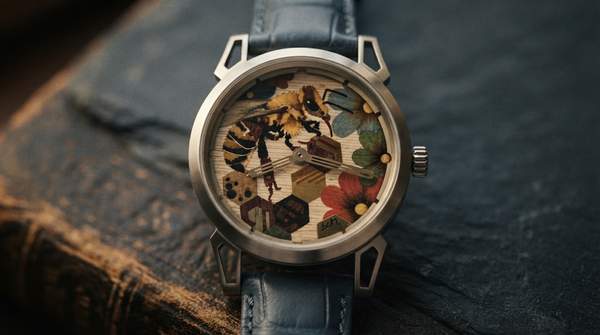
| Miniature Painting | Artists hand-paint intricate details under a microscope, applying multiple layers of enamel that are fired individually after each coat. The process is irreversible once fired, demanding extreme precision. | Enamel painting is typically applied to a gold base, which provides a stable foundation for the multiple firings and allows for a wide range of artistic expression. | Features highly detailed, often figurative or landscape scenes, with a glossy finish from a final transparent fondant layer. The artistry can range from faithful reproductions to original designs. | Patek Philippe has created miniature enamel pocket watches featuring reproductions of famous artworks like Gauguin's 'Woman with a Mango' or van Gogh's 'Fishing Boats on the Beach'. |
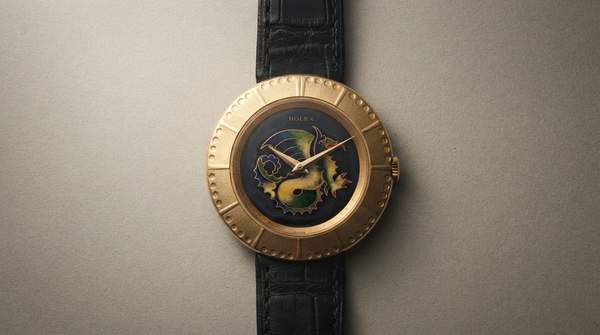
| Cloisonné Enamel | Thin gold wires are bent into shapes to form compartments (cloisons) on a metal base. These are then filled with enamel powder and fired. This method is entirely manual and cannot be automated. | Gold is the preferred base for cloisonné due to its malleability and ability to withstand high firing temperatures. While copper has historical use, it is less suitable for achieving translucent enamel effects. | Distinctive outlines created by the gold wires separate vibrant, often opaque, fields of color, forming clear patterns or images. The wires define the design and prevent colors from blending. | Donzé Cadrans, a specialist firm established in 1972, is widely regarded in the watch industry for mastering cloisonné and produces dials for various high-horology brands. |