Luxury electric vehicles achieve their remarkable quietness through three distinct engineering strategies working in concert: an inherently quiet electric powertrain, passive insulation that physically blocks and absorbs sound, and active noise cancellation that electronically neutralizes what remains. Each layer targets a different type of noise, and understanding which strategy handles which sound source is the key to understanding why a modern luxury EV cabin feels like a private haven rather than a vehicle interior.
The Quest for Quiet: Why Luxury EVs Prioritize Silence
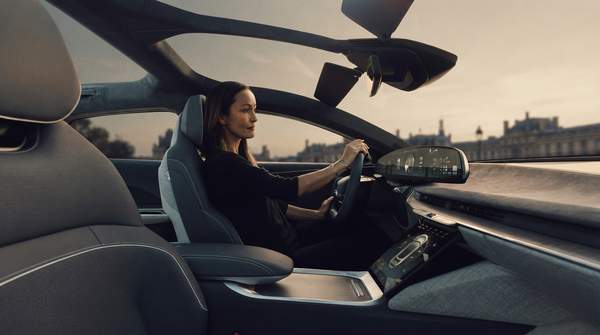
Silence has become a defining luxury feature in its own right. When a driver initiates an electric luxury vehicle such as the Audi Q8 e-tron or the Mercedes-Benz EQS, the experience is defined by an absence of engine noise or exhaust sounds, as Ray Catena Auto Group's account of the luxury EV experience describes. That stillness transforms the cabin into a space suited to lengthy commutes, business discussions, or simply relishing music with exceptional clarity. But this serenity is not an accident of electrification alone.
As Siemens notes in its white paper on active noise cancellation, the sound of next-generation vehicles is no longer dominated by the powertrain but largely influenced by road and wind noise—which means the quieter the engine becomes, the more every other sound source demands engineering attention. Luxury vehicles now target noise levels below 55 decibels at idle and under 65 decibels at highway speeds, figures comparable to a quiet conversation in a library.
Pillar 1: The Inherently Quiet Electric Powertrain
The first pillar requires no add-on technology at all: it is built into the architecture of electrification itself. Electric motors do not generate the vibrations or noise characteristic of combustion engines, which ensures the cabin remains peaceful at all speeds. Where a conventional powertrain produces combustion pulses, exhaust resonance, and mechanical vibration that must be damped after the fact, an electric drivetrain simply starts from a quieter baseline. This inherent quietness creates the serene cabin experience that luxury automakers build upon. It also changes the acoustic problem engineers face. With the dominant noise source removed, sounds that were previously masked—tire roar, wind rush, suspension thumps—become newly prominent, which is precisely why the second and third pillars exist. The powertrain's silence is the foundation, but it raises the bar for everything else.