This month, Rolex raised the global price of its gold watches by an average of 5% for the second time this year, as reported by Reuters. Simultaneously, the company unveiled 58 new references, spanning an enormous price range. Rolex already dominates the luxury watch market with record sales, yet it aggressively raises prices and expands its catalog more than ever. Rolex's dual strategy—aggressive price hikes and catalog expansion—signals an insatiable drive for market control and profit, even from an undisputed leader. Rolex is likely to further solidify its market leadership and profitability, potentially widening the gap with competitors and making luxury watches even more exclusive.
The Unchallenged Crown: Rolex's Market Supremacy
- $11.43 billion — Rolex tops the list of biggest watch brands by sales in 2024, according to watchesoff5th.
$11.43 billion in sales grants Rolex the financial leverage to implement aggressive pricing and product expansion without significant market risk. This dominant position allows the brand to dictate terms within the luxury sector. The implication is clear: Rolex's robust industrial engineering and vast network are not just assets; they are instruments of market control.
Expanding the Empire: From Entry-Level to Ultra-Luxury
Rolex announced 58 new references at Watches and Wonders 2026, a deliberate expansion of its product lines, according to industry reports. The 58 new references cover a wide spectrum of pricing, demonstrating a meticulous segmentation strategy from its Geneva headquarters.
| Category | Lowest Price (USD) | Highest Price (USD) |
|---|---|---|
| Standard Catalog | $6,750 (Oystersteel Oyster Perpetual 36) | $98,100 (Diamond-paved Day-Date 36) |
| Off-Catalogue Pieces | $58,000 | $355,000 |
Prices according to watchesoff5th for 2024.
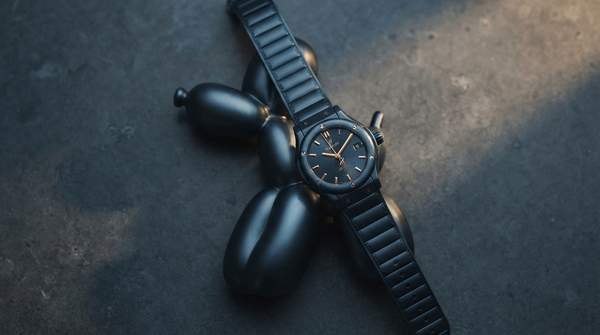
The introduction of 58 new references, spanning an immense price range from $6,750 to $355,000, broadens Rolex's market reach while solidifying its ultra-luxury position. By offering everything from a $6,750 Oyster Perpetual to a $355,000 off-catalogue piece, Rolex creates its own internal luxury hierarchy. The introduction of 58 new references reflects a sophisticated understanding of consumer desire, from foundational pieces like the Oyster Perpetual, known for its robust engineering, to the opulent Day-Date models. The implication is a calculated move to capture a wider demographic, ensuring no segment of high-net-worth individuals is left unaddressed.
The Price of Prestige: Why Luxury Watches Are Becoming More Expensive
This second annual price increase for Rolex's main markets in 2026, reported by Reuters, aligns with a broader trend of escalating luxury watch prices, according to The New York Times. Consistent upward adjustments in luxury watch prices are not mere inflationary responses. Consistent upward adjustments reflect a deliberate industry-wide strategy to enhance brand exclusivity and perceived value. Rolex's dual strategy—a second annual price increase on gold watches and 58 new references—is a calculated move to expand market share and profit margins across an unprecedented spectrum of wealth. Rolex's dual strategy—a second annual price increase on gold watches and 58 new references—mirrors the meticulous calibration of a finely tuned watch movement, where every adjustment serves a larger purpose, implying a strategic intent to control market perception and demand.
Who Benefits, Who Pays: The Shifting Landscape for Collectors and Competitors
Rolex's strategy directly impacts market participants. Existing Rolex owners may see their investments appreciate, as reinforced exclusivity and price hikes often translate into increased secondary market value. Increased secondary market value reinforces the asset aspect of luxury watch ownership, akin to appreciating vintage automobiles or rare art. Conversely, aspiring luxury watch buyers face higher barriers to entry. While the expanded entry-level might appear more accessible, the overall upward price trajectory distances true luxury ownership for many. Smaller competing brands face intensified market pressure, forced to adapt to Rolex's aggressive maneuvers and vast product segmentation. Intensified market pressure demands innovative engineering and distinct brand narratives to carve out their own niches, implying a consolidation of power where only the most agile competitors will survive. For more, see our Top Luxury Watch Brands Dominating.
The Future of Luxury Time: What Rolex's Moves Mean for the Industry's Horizon
Rolex's sustained strategy of price increases and product expansion is poised to further entrench its market leadership. Rolex's sustained strategy of price increases and product expansion could set new benchmarks for luxury pricing and brand exclusivity across the industry. The brand's ability to command premium prices across such an unprecedented spectrum demonstrates a powerful influence over the future direction of the luxury watch market. Rolex's strategic foresight is as precise as the chronometer certification on its movements. The implication is a future where Rolex not only leads but actively defines the parameters of luxury watch value and accessibility.
Rolex's aggressive pricing and expansive catalog are likely to reinforce its market dominance, potentially reshaping the luxury watch landscape and setting new industry standards for exclusivity and value.


