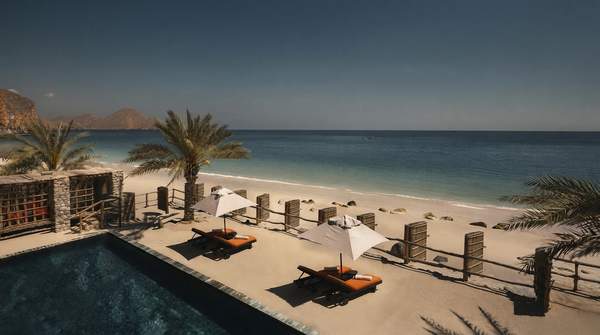
In Anguilla, bookings for private villa rentals surged by 30% last year, while traditional resorts saw only a 10% increase, according to the Caribbean Tourism Board. This quiet disparity signals a profound shift in what affluent travelers truly desire, echoing across destinations from Asia Pacific to the Caribbean for 2026.
Luxury travel sales boom, yet the traditional markers of opulence and excess now lose their luster for a new generation of discerning travelers. This palpable tension defines the current market landscape.
The luxury travel market appears poised for continued growth, but only for providers who pivot towards highly personalized, authentic, and sustainably-minded experiences, eschewing mere extravagance.
What Defines New Luxury Travel?
The Anguillan landscape offers a vivid illustration: private villa rentals soared by 30% in 2023, while traditional resorts managed only a 10% rise, as reported by the Caribbean Tourism Board. This stark contrast underscores a profound preference among affluent travelers for privacy, exclusivity, and an intimate connection with their chosen destination. Discretion now outweighs overt displays of wealth, marking a deeper psychological shift in luxury's definition.
Across Asia Pacific, 70% of luxury travelers now prioritize unique cultural immersion over designer shopping, according to Luxury Insights Group. Concurrently, Virtuoso reports a 45% rise in requests for personalized itineraries featuring local community engagement. These trends reveal an inversion of luxury's perceived value: travelers will pay more for discreet, authentic immersion in private settings than for overt displays of wealth.
How is the Luxury Market Changing?
The global luxury travel market is projected to grow at a 7.6% Compound Annual Growth Rate (CAGR) from 2023 to 2030, according to Grand View Research. Yet, this robust expansion masks a nuanced shift. Demand for private jet charters in Asia Pacific surged 25% post-pandemic, driven by privacy and flexibility, as reported by Asian Sky Group. In Anguilla, luxury travelers booking experiential packages now extend their average stay by two days, notes the Anguilla Tourist Board. This growth is disproportionately fueled by new, non-traditional luxury segments, suggesting a stagnation, or even decline, in conventional luxury offerings.

What Drives Luxury Traveler Preferences?
Millennial and Gen Z affluent travelers will pay 20% more for sustainable travel options, according to the Deloitte Luxury Report. Sustainability is no longer a niche preference; it is a core expectation shaping booking decisions for younger affluent travelers. Over 60% of high-net-worth individuals in Asia Pacific now seek wellness retreats focused on mental health and digital detox, states the APAC Wealth Report.
This generational shift, coupled with a heightened awareness of well-being and social impact, fundamentally reshapes what affluent consumers value. It creates a significant generational divide in market appeal, one that traditional brands struggle to bridge.
Examples of New Luxury Experiences
A bespoke 'chef's table' experience on a remote Anguillan beach now commands upwards of $5,000 per couple, according to Conde Nast Traveler. Such offerings exemplify how innovative providers craft high-value, memorable experiences through exclusivity and anticipatory service. In Bali, a new eco-luxury resort invites guests to participate in coral reef restoration projects, as reported by Eco-Travel Magazine, embodying a deep commitment to sustainability.
The surge in demand for bespoke itineraries, even at higher price points, reveals that affluent travelers now value privacy and control over shared amenities and brand recognition. This shift prioritizes unique personal narratives over generic lavishness.
Future Strategies for Luxury Travel
Luxury brands failing to pivot from 'opulence as status' to 'impact as status' actively alienate the next generation of high-net-worth individuals.
Direct flights to smaller, less crowded luxury destinations now command premium prices, reflecting increased demand, according to Airline Industry Data. Simultaneously, traditional cruise lines struggle, with a 15% decline in occupancy for their most opulent suites, reports Cruise Industry News. This divergence highlights a clear preference for intimate, less congested experiences. Investment in local community partnerships emerges as a key differentiator for luxury brands seeking authentic engagement, notes Travel Impact Alliance. The future of luxury travel lies in identifying and nurturing niche, authentic experiences, and deeply integrating local communities, rather than simply scaling traditional, mass-market opulence. Companies interpreting 'sustainability' as a mere marketing add-on, rather than a fundamental operational shift, will find themselves outmaneuvered by competitors who embed ethical practices into the very fabric of their luxury offerings.
Conclusion
The enduring success in luxury travel will belong to those who understand that true value now resides in meaningful connection, bespoke service, and responsible engagement, not just extravagant display. By 2026, luxury hospitality providers, even those with established legacies like Hilton, which recently raised its annual room revenue growth forecast according to Reuters, will likely need to continuously integrate hyper-personalized, sustainable offerings to meet evolving affluent traveler expectations, or risk becoming obsolete.