Global luxury real estate market shifts as new demand emerges

In Tokyo's 23 central wards, the average new condominium price reached a record ¥137.

EC
Evelyn Chen

June 26, 2026 · 3 min read

Panoramic view of a modern cityscape at dusk, showcasing luxurious high-rise buildings and subtle global connectivity elements, symbolizing the shifting luxury real estate market.

In Tokyo's 23 central wards, the average new condominium price reached a record ¥137.84 million in fiscal 2025, according to Resident Magazine. Overseas buyers accounted for 3.5 percent of newly built condominiums in these wards during the first half of 2025. This figure more than doubled the 1.6 percent recorded across all of 2024.

Luxury real estate continues to perform relatively strongly, with potential for future growth, states RISMedia. However, a significant portion of this growth is driven by buyers seeking refuge from global turmoil, not just economic opportunity.

The global luxury real estate market's strength appears tied to ongoing geopolitical shifts and the search for stable assets. The market's strength potentially exacerbates housing affordability issues in desirable urban centers.

What We Know About Luxury Real Estate Shifts

  • The average new condominium in Tokyo's 23 central wards reached ¥137.84 million in fiscal 2025, according to Resident Magazine.
  • Overseas buyers comprised 3.5 percent of newly built condominiums in Tokyo's 23 wards in the first half of 2025, more than doubling the 1.6 percent from 2024, states Resident Magazine.
  • Luxury real estate maintains strong performance and growth potential, according to RISMedia.
  • Wealthy Polish, American, and Gulf-based buyers acquire luxury properties in Spain, seeking refuge from ongoing wars and turmoil, reports Reuters.

Geopolitical Shifts and Open Markets Fueling Demand

Wealthy Polish, American, and Gulf-based buyers increasingly purchase luxury properties in Spain, according to Reuters. These buyers seek refuge from ongoing wars and turmoil, transforming real estate into a safe haven.

Japan's open ownership laws facilitate this trend; foreigners own land and buildings with similar rights as citizens. Ownership is separate from residency, reports Resident Magazine. Japan's open ownership laws and separate ownership from residency make Tokyo a stable destination for global capital.

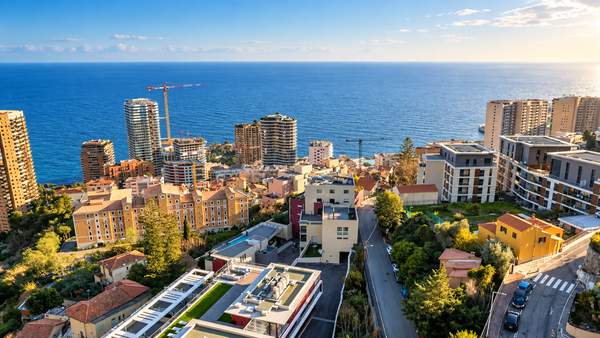
Cities offering political stability and clear ownership rights are becoming primary destinations for wealth preservation. This alters local housing dynamics, based on Reuters and Resident Magazine reporting.

Current Trends in Luxury Real Estate

Luxury real estate performs strongly with growth potential, states RISMedia. This strength, however, relies on external geopolitical instability, not intrinsic market health.

Reuters and Resident Magazine show strength from buyers 'seeking refuge in Spain from ongoing wars and turmoil'. Tokyo overseas buyers doubled their share in six months. This flight-to-safety capital suggests a less stable foundation.

The foreign ownership surge in Tokyo, highlighted by Resident Magazine, suggests local residents will face unattainable prices. Global capital flows drive demand, not local economic conditions.

Forecast for Luxury Housing in 2026

What are the current trends in the luxury real estate market?

The luxury real estate market shows strong performance, but a primary trend is its transformation into a safe haven for global capital. The market's transformation into a safe haven for global capital is driven by geopolitical instability rather than organic economic growth, increasing demand in stable cities.

How is the global economy affecting luxury property?

The global economy's volatility, especially geopolitical turmoil, significantly affects luxury property. Wealthy individuals relocate assets to stable markets like Spain and Tokyo, driving demand and price increases in these segments.

What is the forecast for the luxury housing market in 2026?

The forecast suggests continued strong performance for luxury housing in 2026, largely linked to ongoing geopolitical shifts. The forecast's dependence on global turmoil could create a fragile foundation, potentially leading to bubbles in 'safe haven' cities if global stability returns.