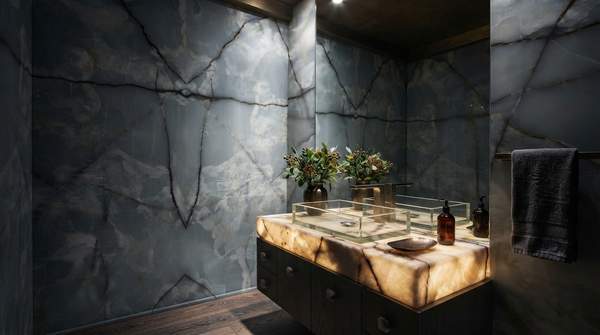
In the realm of high-end interior design, luxury is increasingly defined by consciousness—an awareness of a material's origin, its environmental footprint, and its capacity to endure. This shift marries the pursuit of refined aesthetics with a commitment to sustainability, creating spaces that are both elegant and responsible. Sustainable luxury is achieved by selecting materials based on a combination of principles including longevity, craftsmanship, ethical sourcing, and minimal environmental impact. This approach prioritizes quality over quantity, creating interiors that reflect a deep appreciation for enduring beauty and thoughtful production.
The Principles of Sustainable Luxury
The modern connoisseur's home is built on a foundation of choices that are as considered as they are beautiful. Sustainable luxury moves beyond fleeting trends, focusing instead on four interconnected principles that guide the selection of every material. This philosophy blends the grandeur of natural stone and the warmth of exotic woods with a rigorous commitment to social and environmental ethics. The goal is to create spaces that minimize environmental impact while protecting the health of those who inhabit them, using timeless design and quality materials to extend the life of the interior and reduce the need for frequent renovations.
At its core, this design practice involves asking critical questions about every specification. According to a guide from Projectific, a sustainable approach considers both the "outward" embodied impacts of a material—such as the energy and emissions from its manufacturing and transport—and the "inward" health impacts on occupants who breathe the air in a closed space. The most refined interiors, as noted by design firm Sara Mosele Interiors, emphasize craftsmanship that values longevity, creating a balance of natural textures and thoughtful materials that feels both sophisticated and responsible.
Sustainable Luxury Material Evaluation Framework
To translate these principles into practice, homeowners and designers can use a structured framework to evaluate potential materials. This approach ensures that every selection contributes to a cohesive, beautiful, and ethically sound interior. The framework assesses materials against four key criteria: longevity, aesthetics, sourcing, and environmental footprint.
Longevity and Durability
A material's ability to withstand wear and tear is fundamental to both luxury and sustainability. Durable materials reduce the need for frequent replacement, which in turn minimizes waste and the environmental impact of repeated renovations. Natural stone, for example, is often chosen for its durability and its capacity to add a sense of grandeur and timelessness to a space. When evaluating a material, consider its expected lifespan and how it will age. The American Society of Interior Designers (ASID) notes that extending the life of materials through thoughtful selection is a key strategy for reducing waste.
Craftsmanship and Timeless Aesthetics
Luxury is expressed through quality craftsmanship and design that transcends trends. Materials should possess an inherent beauty and character that contribute to a refined aesthetic. Reclaimed wood, for instance, adds warmth and a unique story to an interior, while the natural veining in a piece of marble ensures no two installations are alike. According to Sara Mosele Interiors, the most sophisticated designs combine timeless materials with natural finishes. This focus on classic, enduring elements ensures the space remains relevant and cherished for years, a core tenet of sustainable practice.
Ethical and Responsible Sourcing
A material’s journey from its source to your home is a critical component of its luxury and sustainability credentials. Ethical sourcing involves considering the social and environmental conditions under which a material was harvested and produced. This means choosing suppliers who uphold fair labor practices and responsible environmental management. As the ASID points out, this commitment ensures the design process aligns with a broader responsibility to the well-being of workers and communities. Look for materials backed by certifications that verify these practices.
Environmental Impact
A truly sustainable material has a minimal negative impact on the environment throughout its lifecycle. This involves assessing factors such as whether the material is renewable, made from recycled content, or biodegradable. Sustainable interior design, as defined by Rocky Mountain College of Art + Design, aims to minimize or eliminate environmental harm. This includes considering not only the raw material but also the manufacturing processes, transportation distances, and what happens to the material at the end of its useful life.